JN.1
The JN.1 (BA.2.86.1.1) is the most recently dominating variant of SARS-CoV-2 that descended from the BA.2.86 lineage.
Background
In comparison to the BA.2.86 strain, JN.1 exhibits a notable L455S spike protein mutation, accompanied by three other mutations located in the non-spike proteins. The SARS-CoV-2 BA.2.86 lineage, identified initially in August 2023, differs genetically from the extant Omicron XBB variants such as EG.5.1 and HK.3. Possessing more than 30 spike protein mutations, the BA.2.86 lineage demonstrates a strong potential to circumvent pre-existing immunity to SARS-CoV-2. The JN.1 variant has exhibited a swift increase in its proportion of the global viral variants since November, leading to the World Health Organization@apos;s elevation of BA.2.86 from the status of a Variant Under Monitoring (VUM) to that of a Variant of Interest (VOI) as of November 21.
The JN.1 variant@apos;s rapid spread and dominance highlight the significance of its mutations and their potential impact on global health. Understanding these changes is crucial for developing effective strategies to combat the virus.
JN.1 Mutations
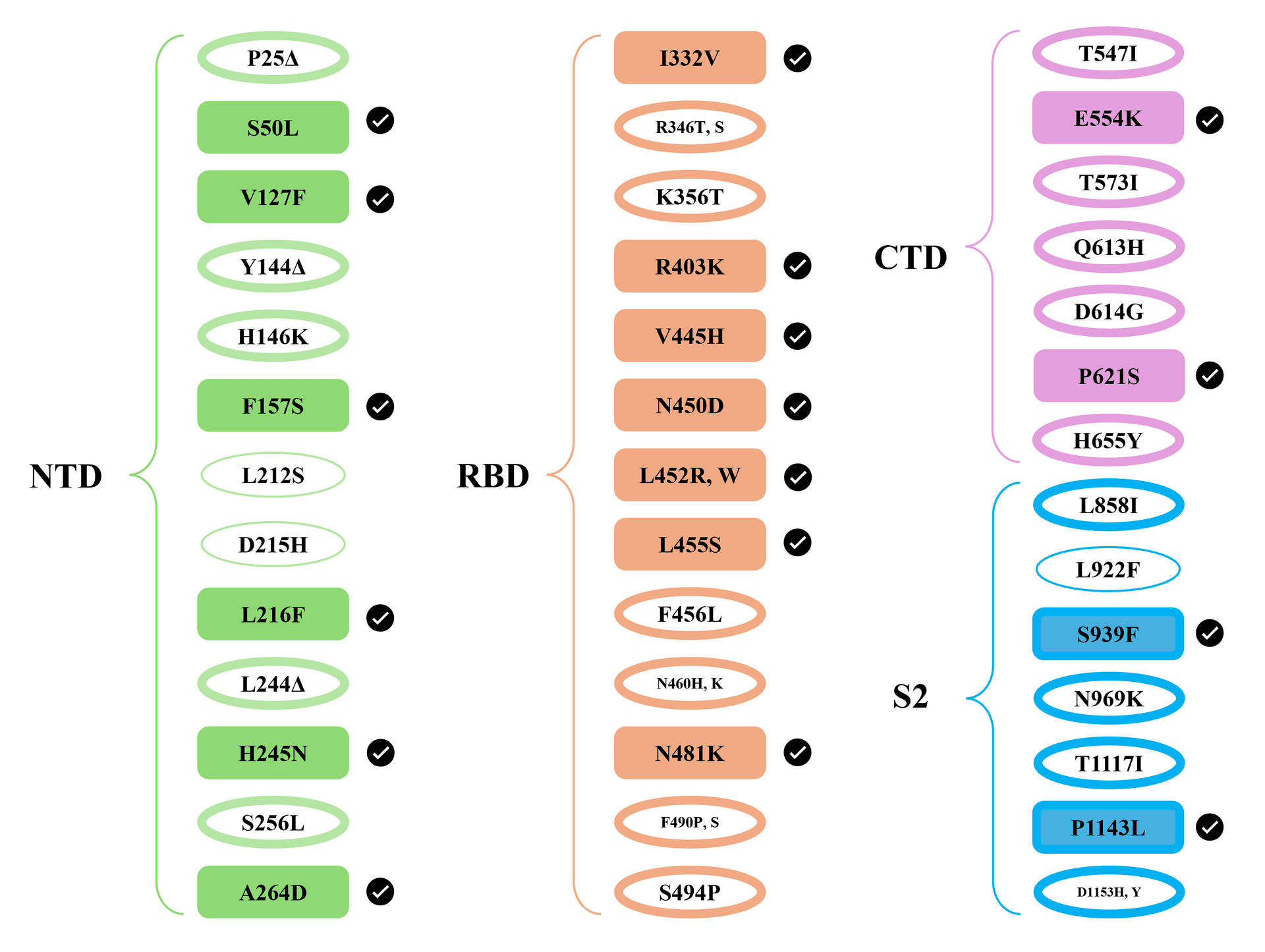
In 2023.11, the mutations outlined and confirmed by JN.1 are listed:
Loading 3D viewer...
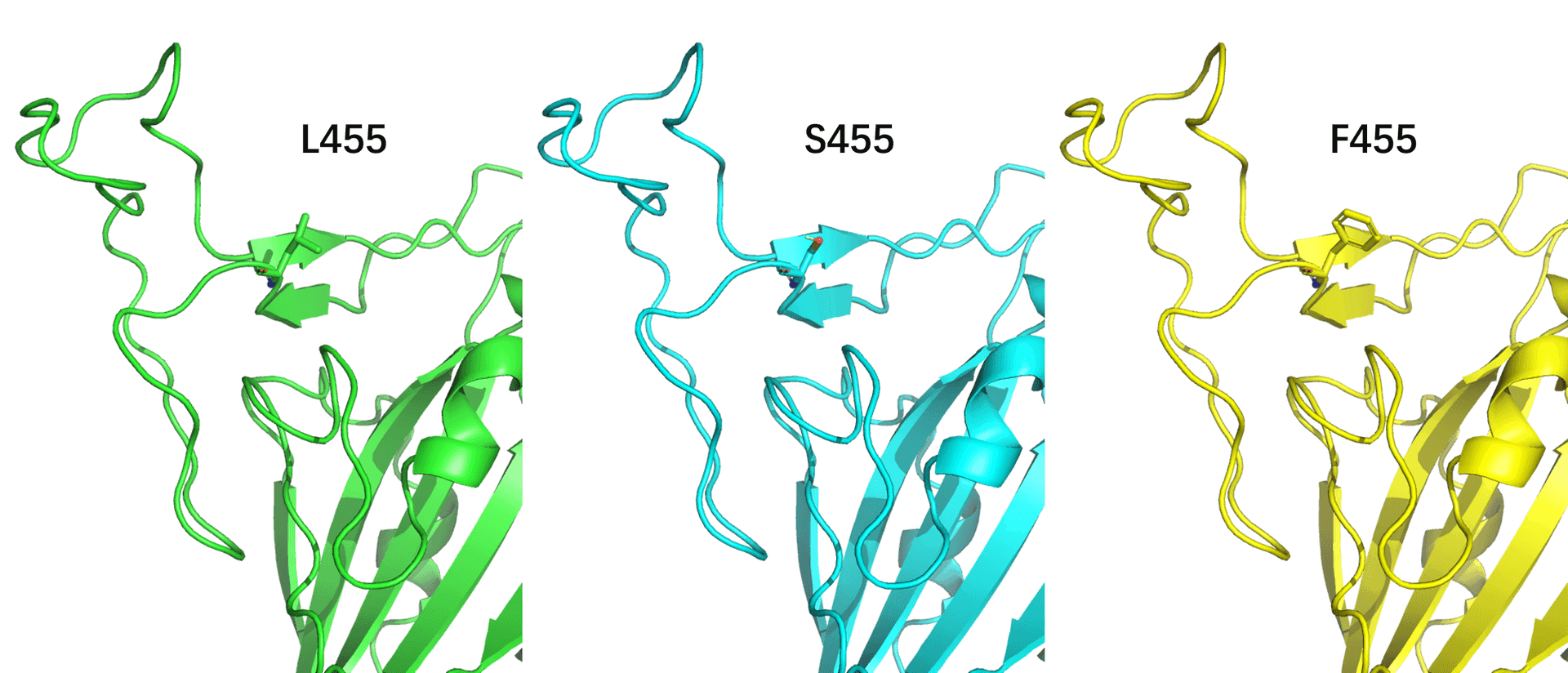
Featured Mutations: L455S
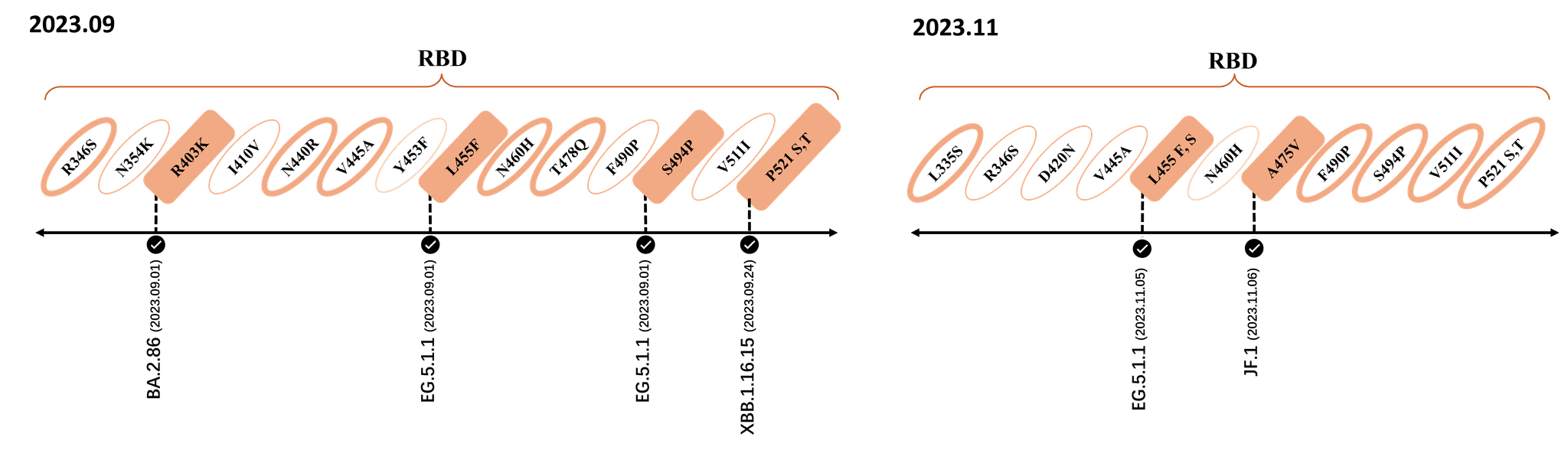
deLemus captured the L455F mutation in September 2023, which was confirmed by the subsequent EG.5.1.1. In the following November we also captured the L455S. This record can be found on our Update page.
The L455S mutation occurs within the receptor-binding domain (RBD) of the spike protein, a region that is crucial for the interaction with the human ACE2 receptor. Recent reports and studies, such as the one found at bioRxiv, suggest that the RBD harboring this mutation displays a reduced affinity for binding with human ACE2. This could paradoxically enhance the transmissibility of the JN.1 variant, as the mutation may confer an increased ability to evade immune responses elicited by previous exposures to variants such as XBB.1.5 and EG.5.1.
Main Mutations
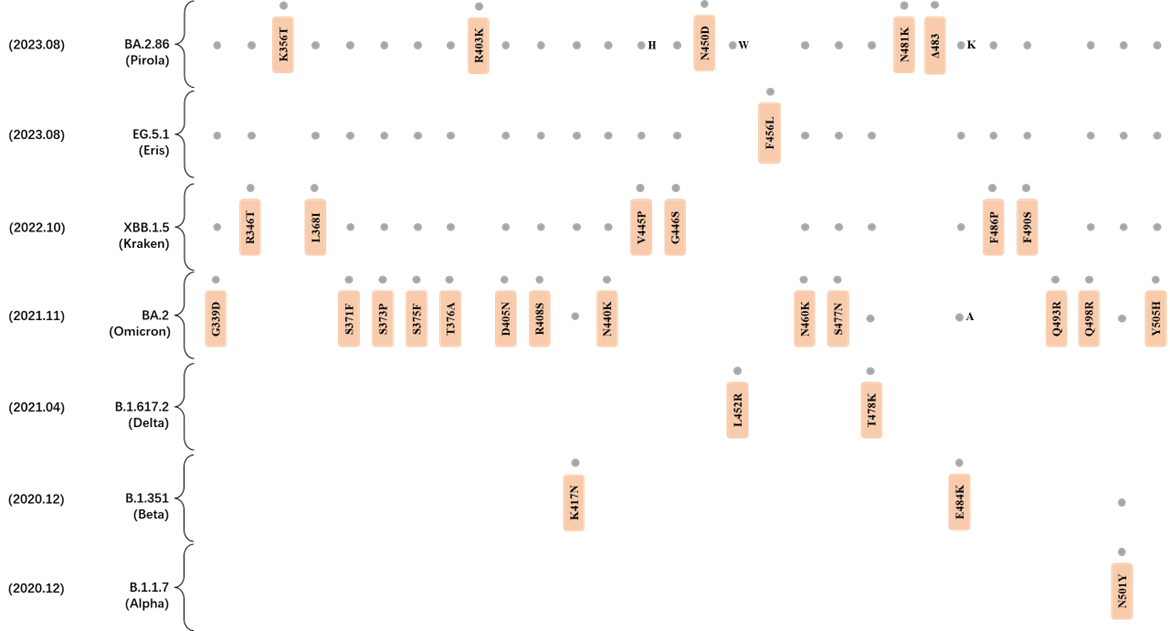
JN.1@apos;s main mutations in other prevalent variants:
Clinical Significance
The clinical significance of JN.1 lies in its potential impact on public health. The presence of the L455S mutation within the receptor-binding domain (RBD) of the spike protein may enhance the virus@apos;s ability to evade immune responses. This could lead to increased transmissibility and potentially more severe disease outcomes, especially in populations with waning immunity or compromised health.
Research is ongoing to determine the exact effects of JN.1 on vaccine efficacy and the overall effectiveness of current therapeutic measures. Continued surveillance and rapid response strategies are essential to mitigate the potential impact of this variant on global health.
Comparison with Other Variants
When compared to other variants, JN.1 exhibits unique characteristics that distinguish it from its predecessors. The presence of the L455S mutation in the RBD region, along with other mutations in the non-spike proteins, provides JN.1 with a distinct advantage in terms of immune evasion and transmissibility.
Additionally, the genetic differences between JN.1 and other Omicron variants such as XBB and EG.5 highlight the need for ongoing surveillance and research to understand the full implications of these mutations on public health. Comparing and analyzing these characteristics will help inform future vaccine and therapeutic development.